


PATELLOFEMORAL SYNDROME
At Maxwell Clinic, we are dedicated to providing specialized care for patients dealing with Patellofemoral Syndrome. With a deep understanding of this condition, which causes pain around the kneecap, our clinic offers comprehensive diagnostic assessments and personalized treatment plans. Our experienced medical team utilizes state-of-the-art techniques to alleviate discomfort, restore knee function, and improve overall quality of life. Through a combination of targeted therapies, rehabilitative exercises, and patient education, Maxwell Clinic aims to empower individuals to overcome Patellofemoral Syndrome and regain pain-free mobility. Trust us to guide you on your journey to recovery and lasting knee health.
What is Patellofemoral Syndrome?
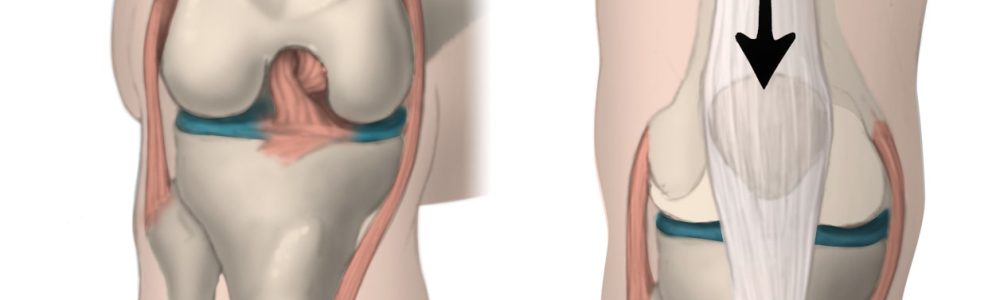
Patellofemoral Syndrome, also known as Runner’s Knee, is a common knee condition characterized by pain around or behind the kneecap (patella). It typically occurs due to improper tracking or alignment of the patella as it moves along the groove at the end of the thigh bone (femur). This misalignment can lead to irritation and inflammation of the surrounding soft tissues and cartilage, causing pain during activities that involve bending the knee, such as running, squatting, or climbing stairs. Contributing factors often include muscle imbalances, overuse, poor biomechanics, and improper footwear. Patellofemoral Syndrome is common among athletes and individuals engaged in repetitive knee-loading activities. Proper diagnosis, rest, physical therapy, and addressing contributing factors are key to managing and preventing recurrence of this condition.
How Do We Treat Patellofemoral Syndrome?
The treatment of Patellofemoral Syndrome involves a comprehensive approach aimed at relieving pain, correcting underlying factors, and restoring knee function. Here’s an overview of the treatment strategies:
- Rest and Activity Modification: Giving the affected knee time to heal is crucial. Avoiding activities that worsen symptoms, such as running or jumping, can help reduce irritation.
- Physical Therapy: Working with a skilled physical therapist, patients can learn specific exercises to strengthen muscles around the knee, improve flexibility, and correct biomechanical issues that contribute to the syndrome.
- Stretching: Gentle stretching of the quadriceps, hamstrings, and hip muscles can help alleviate tightness and improve patellar alignment.
- Patellar Taping or Bracing: Applying tape or using a specialized brace can help realign the patella and provide temporary relief during activities.
- Biomechanical Assessment: Identifying and addressing gait abnormalities, muscle imbalances, and poor movement patterns is crucial to preventing recurrence.
- Footwear Evaluation: Ensuring proper footwear with appropriate arch support and cushioning can improve biomechanics and reduce knee strain.
- Anti-Inflammatory Medications: Nonsteroidal anti-inflammatory drugs (NSAIDs) can help manage pain and reduce inflammation, but they should be used under medical guidance.
- Corticosteroid Injections: In some cases, a corticosteroid injection may be recommended to reduce inflammation and provide short-term relief.
- Patient Education: Understanding the condition and adopting proper body mechanics during activities can aid in managing and preventing Patellofemoral Syndrome.
- Gradual Return to Activity: As symptoms improve, a gradual return to activities should be planned to ensure the knee is not overstrained.
- Surgical Intervention (Rare): In severe and refractory cases, surgery might be considered to correct anatomical abnormalities or address persistent issues.
At Maxwell Clinic, our experienced medical team specializes in diagnosing and treating Patellofemoral Syndrome. Through a combination of accurate diagnosis, tailored treatment plans, and patient education, we are committed to helping patients overcome pain and regain optimal knee health.
Our skilled Dr. are proficient in diagnosing and treating a variety of conditions of Patellofemoral Syndrome
- Precise Diagnosis: Our doctors excel in accurate diagnosis, utilizing advanced diagnostic tools and techniques to pinpoint the root causes of Patellofemoral Syndrome, whether it's related to biomechanics, muscle imbalances, or other contributing factors.
- Tailored Treatment Plans: Leveraging their specialized knowledge, our doctors create personalized treatment strategies for each patient's unique case of Patellofemoral Syndrome, addressing pain, inflammation, and functional limitations.
- Physical Therapy Expertise: Collaborating with experienced physical therapists, our doctors design tailored exercise regimens that focus on strengthening the muscles around the knee, improving flexibility, and enhancing biomechanics to alleviate symptoms and promote healing.
- Hands-On Techniques: Our doctors are skilled in employing hands-on techniques such as manual therapy to alleviate muscular tension, improve joint mobility, and correct movement imbalances that contribute to the syndrome.
- Biomechanical Analysis: They conduct thorough biomechanical assessments to identify any gait abnormalities or alignment issues that may be exacerbating the syndrome, ensuring a holistic approach to treatment.
- Pain Management: Utilizing a combination of approaches, including medication and injections, our doctors ensure that pain is effectively managed, facilitating the healing process.
- Patient Education: Empowering patients with knowledge about Patellofemoral Syndrome, its triggers, and preventive measures, our doctors enable informed decision-making for long-term knee health.
- Comprehensive Care: Acknowledging the interplay between physical and emotional well-being, our doctors provide holistic care that addresses both the physical recovery and the emotional aspects of healing.
- Cutting-Edge Solutions: Staying abreast of the latest advancements, our doctors incorporate innovative therapies and technologies to enhance the effectiveness of their treatment plans.
- Long-Term Management: Beyond immediate relief, our doctors establish strategies for long-term management, ensuring sustained knee health and reducing the risk of recurrence.
