
GOLFERS ELBOW
Maxwell Clinic, your premier destination for conquering golfer's elbow and guiding patients toward complete recovery. Specializing in tailored care, our expert team targets this condition caused by forearm muscle strain. Through personalized treatment plans involving advanced therapies, physiotherapy, and targeted exercises, we're dedicated to alleviating pain, restoring function, and enabling you to regain your active lifestyle. Bid farewell to golfer's elbow's limitations – reach out to Maxwell Clinic today to schedule your consultation and embark on the journey to a pain-free tomorrow. Your path to golfer's elbow recovery begins with us.
What is Golfers Elbow?
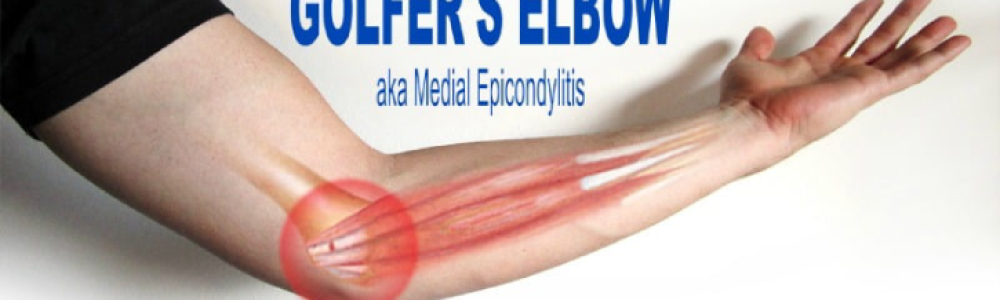
Golfer’s elbow, medically known as medial epicondylitis, is a condition characterized by pain and inflammation on the inner part of the elbow. Despite its name, golfer’s elbow can affect anyone who performs repetitive gripping and wrist flexion activities, not just golfers. This condition typically results from overuse and strain of the tendons that attach to the inner bony prominence of the elbow (medial epicondyle).
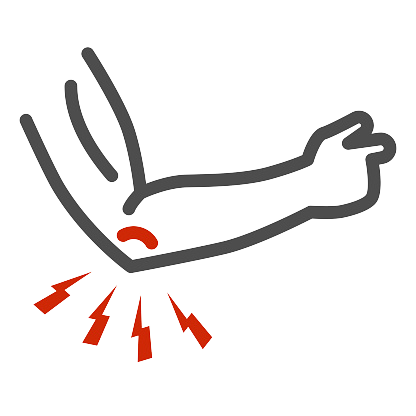
Golfer’s elbow causes pain and tenderness on the inner side of the elbow, which may radiate down the forearm. Activities such as gripping objects, lifting, and repetitive wrist movements can exacerbate the pain. Symptoms may also include weakness in the affected hand and wrist.
Treatment for golfer’s elbow is similar to that for tennis elbow and includes rest, ice therapy, pain medications, physical therapy, and possibly corticosteroid injections. Stretching and strengthening exercises for the forearm muscles are often recommended to alleviate symptoms and promote healing. In severe or persistent cases, surgical intervention might be considered. Early diagnosis and proper treatment are essential for effective recovery from golfer’s elbow.
How Do We Treat Golfers Elbow?
The treatment of golfer’s elbow, also known as medial epicondylitis, focuses on relieving pain, reducing inflammation, and promoting healing of the affected tendons and muscles. Here are the common approaches to treating golfer’s elbow:
- Rest and Activity Modification: Avoiding activities that worsen the pain is essential to allow the inflamed tendons to heal. Resting the affected arm helps prevent further strain.
- Ice Therapy: Applying ice packs to the inner part of the elbow can help reduce inflammation and alleviate pain. Ice should be applied for about 15-20 minutes at a time, several times a day.
- Pain Medications: Over-the-counter pain relievers such as nonsteroidal anti-inflammatory drugs (NSAIDs) can help manage pain and reduce inflammation.
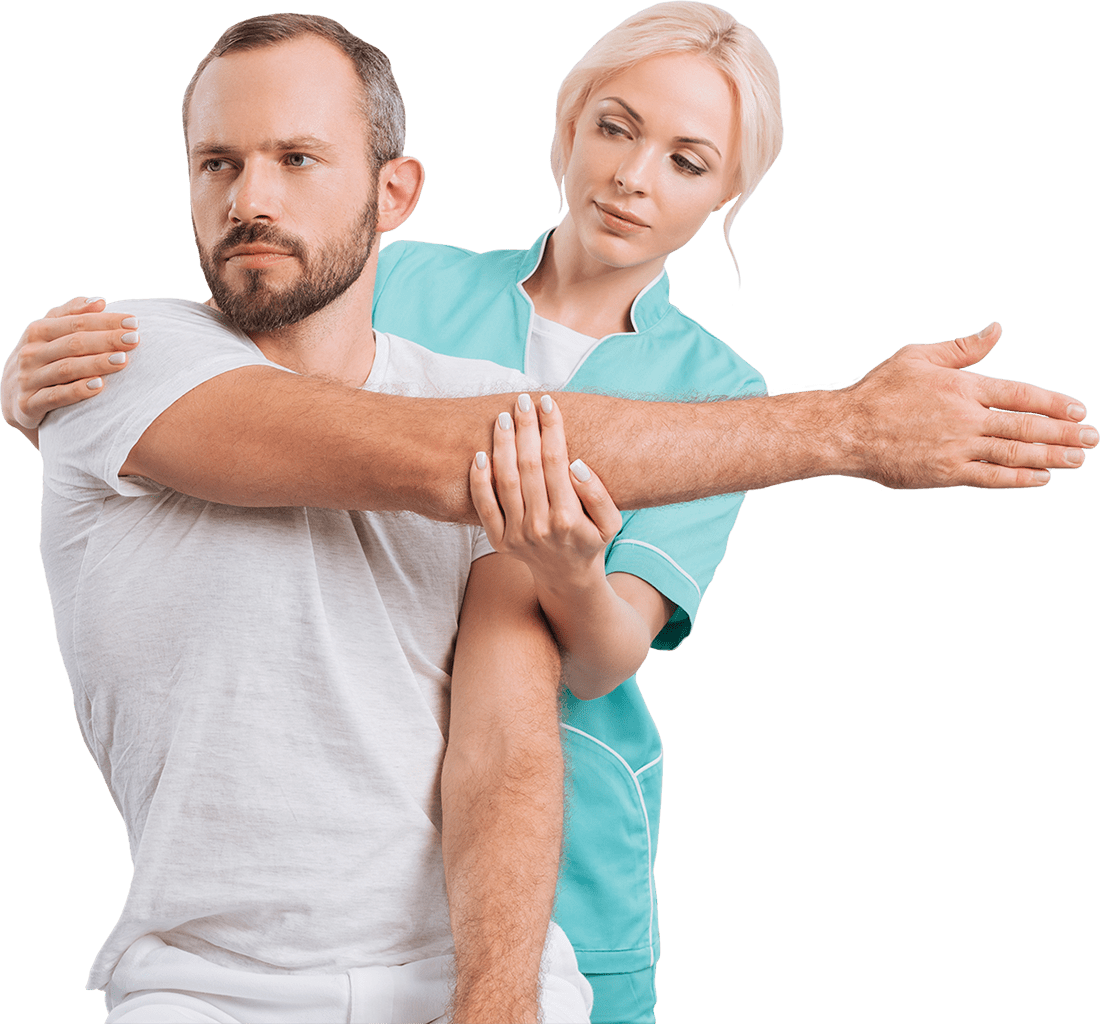
- Physical Therapy: A physical therapist can design exercises to gradually strengthen the forearm muscles and improve flexibility. Eccentric exercises and stretching are often included.
- Bracing or Splinting: Using an elbow brace or forearm strap can help relieve pressure on the inflamed tendons and provide support during activities.
- Corticosteroid Injections: In some cases, a corticosteroid injection may be administered to the affected area to provide short-term relief from pain and inflammation.
- Regenerative Therapies: Techniques like platelet-rich plasma (PRP) injections involve injecting the patient's own blood components to stimulate healing.
- Ergonomic Modifications: Adjusting your equipment, tools, and work habits to minimize strain on the forearm can prevent recurrence.
- Lifestyle Changes: Learning proper techniques for activities involving the affected arm can help prevent overuse and strain.
- Surgery (Rare Cases): Surgical intervention is considered when conservative treatments have failed. It may involve removing damaged tissue or repairing the affected tendons.
The choice of treatment depends on the severity of the condition, the patient’s activity level, and their response to initial treatments. Consulting a medical professional, such as an orthopedic doctor or a physiatrist, is crucial for an accurate diagnosis and a personalized treatment plan. With proper care and adherence to treatment recommendations, most individuals with golfer’s elbow experience significant relief and improved function over time.
Our skilled Dr. are proficient in diagnosing and treating a variety of conditions of Golfers Elbow
Absolutely, at Maxwell Clinic, our skilled doctors are proficient in diagnosing and treating a wide spectrum of golfer’s elbow conditions, with expertise that encompasses several key points:
- Precise Diagnosis: Our doctors excel at accurate diagnosis, utilizing advanced techniques to identify the specific causes and extent of your golfer's elbow.
- Comprehensive Expertise: Whether you're an athlete or an individual engaged in repetitive tasks, our doctors understand the breadth of cases, ensuring tailored care.
- Personalized Treatment Plans: Recognizing the individuality of each patient, our doctors craft customized treatment strategies for effective and efficient recovery.
- Non-Surgical Approaches: We offer a variety of nonsurgical interventions such as physiotherapy, exercises, and pain management techniques to alleviate discomfort.
- Cutting-Edge Techniques: Our doctors utilize the latest medical advancements to ensure you receive the most effective treatments available.
- Minimally Invasive Procedures: When necessary, our experts excel in minimally invasive techniques that provide optimal results with minimal downtime.
- Patient-Centric Approach: Your well-being is paramount. Our doctors provide guidance, address concerns, and support you throughout your recovery journey.
- Functional Restoration: Beyond pain relief, our focus is on restoring your full arm function, enabling you to return to your activities with renewed vigor.
- Excellence in Care: At Maxwell Clinic, our commitment to delivering exceptional care ensures that you receive the highest standard of expertise and support.
For specialized care that precisely targets golfer’s elbow and propels your journey to recovery, look no further. Schedule an appointment at Maxwell Clinic to experience the exceptional care of our skilled doctors. Your path to golfer’s elbow relief starts here.
