

SUPRASPINATUS TENDINITIS
At Maxwell Clinic, we specialize in providing tailored solutions for Supraspinatus Tendinitis. Our comprehensive approach blends personalized treatment plans, advanced therapies, and expert guidance. With a focus on pain management, targeted exercises, and modalities, we empower patients to regain shoulder function and comfort. From initial assessment to long-term prevention strategies, we're dedicated to helping individuals recover fully. At Maxwell Clinic, Supraspinatus Tendinitis is not just a condition – it's a challenge we're committed to overcoming together. Your journey to a pain-free life starts here.
What is Supraspinatus Tendinitis?
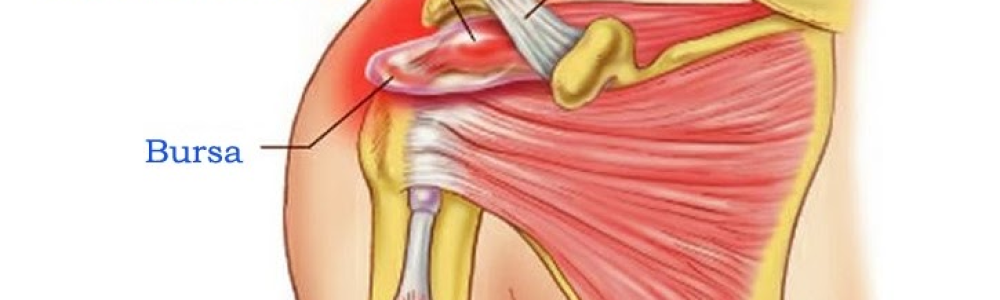
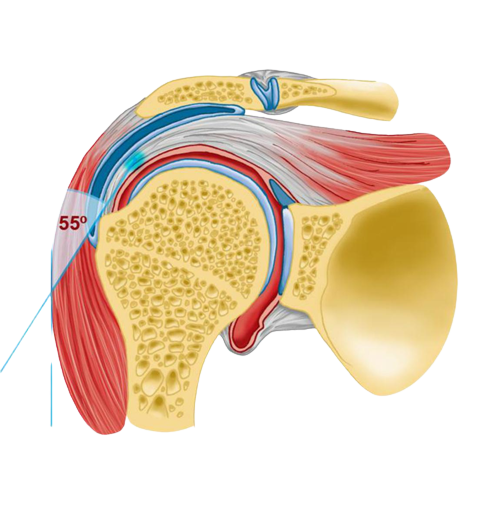
Supraspinatus tendinitis, also known as rotator cuff tendinitis, is a common condition that involves inflammation and irritation of the supraspinatus tendon located in the shoulder. The supraspinatus tendon is one of the four tendons that make up the rotator cuff, a group of muscles and tendons that stabilize and move the shoulder joint.
Tendinitis occurs when the supraspinatus tendon becomes inflamed due to repetitive movements, overuse, trauma, or age-related degeneration. This inflammation can lead to pain, limited range of motion, and discomfort in the shoulder. Activities that involve overhead movements or lifting heavy objects can exacerbate the symptoms.
Symptoms of supraspinatus tendinitis may include shoulder pain, especially when reaching overhead or lifting, as well as pain that worsens at night. The affected area might feel tender to touch, and there might be a reduced ability to perform certain shoulder movements due to the pain and stiffness.
Treatment for supraspinatus tendinitis typically involves a combination of rest, anti-inflammatory medications, physical therapy exercises to strengthen the shoulder muscles, and modalities like heat or cold therapy. In some cases, corticosteroid injections may be used to reduce inflammation. Severe cases might require surgical intervention, although conservative approaches are often successful.
Early diagnosis and appropriate management are important for minimizing pain, improving shoulder function, and preventing further complications.
How Do We Treat Supraspinatus Tendinitis?
The treatment approach for Supraspinatus Tendinitis involves a combination of strategies aimed at reducing pain, inflammation, and promoting healing. Here’s an overview of how you can treat Supraspinatus Tendinitis:
- Rest and Activity Modification: Initially, it's important to rest the affected shoulder to allow the inflamed tendon to heal. Avoid activities that exacerbate the pain or strain the shoulder, especially those involving overhead movements.
- Pain Management: Over-the-counter nonsteroidal anti-inflammatory drugs (NSAIDs) can help reduce pain and inflammation. Your healthcare provider might recommend these for short-term relief.
- Physical Therapy: A physical therapist can design a tailored exercise program to gradually strengthen the muscles around the shoulder joint, including the supraspinatus muscle. These exercises improve stability, flexibility, and overall shoulder function.
- Modalities: Heat and cold therapy can provide relief from pain and inflammation. Applying a cold pack in the acute phase can help reduce swelling, while heat therapy can help relax muscles and improve blood flow during the healing process.
- Corticosteroid Injections: In some cases, a healthcare provider might administer corticosteroid injections into the shoulder joint to reduce inflammation and provide temporary pain relief. These injections are typically used cautiously and as part of an overall treatment plan.
- Ultrasound and Electrical Stimulation: These modalities can help enhance blood circulation and promote healing in the affected area.
- Posture and Ergonomics: Educating patients about maintaining proper posture and body mechanics can help prevent unnecessary strain on the shoulder joint, reducing the risk of recurrence.
- Lifestyle Modifications: Address any contributing factors such as repetitive movements, poor lifting techniques, or sports-related activities that might have triggered the condition.
- Patient Education: Inform patients about their condition, treatment options, and the importance of following the prescribed regimen. This empowers them to actively participate in their recovery.
- Gradual Return to Activity: As symptoms improve, a gradual return to normal activities and exercises is recommended. Your healthcare provider and physical therapist can guide this process.
Remember, the specific treatment plan should be tailored to each patient’s unique needs and the severity of their condition. Consulting with a medical professional, such as an orthopedic specialist or physical therapist, is essential for proper diagnosis and to create an effective treatment strategy.
Our skilled Dr. are proficient in diagnosing and treating a variety of conditions of Supraspinatus Tendinitis
Certainly, here are the key points about your clinic’s expertise in diagnosing and treating Supraspinatus Tendinitis:
- Expert Doctors: Our clinic boasts a team of highly skilled and knowledgeable doctors with specialized training in the diagnosis and treatment of Supraspinatus Tendinitis.
- Comprehensive Diagnosis: Our doctors utilize state-of-the-art diagnostic tools to accurately assess the condition's extent, identifying factors contributing to Supraspinatus Tendinitis.
- Customized Treatment: With a deep understanding of the condition's nuances, our doctors design personalized treatment plans tailored to each patient's unique needs, ensuring optimal outcomes.
- Advanced Therapies: Leveraging the latest advancements in medical technology, our clinic offers cutting-edge therapies that target pain relief, inflammation reduction, and expedited healing.
- Physical Rehabilitation: Our experts incorporate specialized exercises and physical therapy regimens that strengthen shoulder muscles, improve flexibility, and aid in the restoration of full shoulder function.
- Holistic Approach: Beyond medical interventions, our doctors prioritize patient education, offering insights into lifestyle adjustments, ergonomic practices, and strategies for long-term prevention.
- Pain Management: Our clinic provides effective pain management strategies, ranging from non-invasive methods to precise interventions, ensuring patient comfort throughout their recovery journey.
- Collaborative Care: Our doctors collaborate closely with each patient, fostering an environment of open communication and mutual decision-making for the best treatment outcomes.
- Proven Results: Our track record speaks for itself, as we have successfully treated numerous cases of Supraspinatus Tendinitis, helping patients regain their quality of life.
- Dedication to Excellence: Our commitment to continuous learning and staying updated with the latest advancements underscores our dedication to delivering the highest standard of care.
When seeking diagnosis and treatment for Supraspinatus Tendinitis, rest assured that our skilled doctors at Maxwell Clinic possess the expertise to guide you towards a path of recovery and well-being.
